
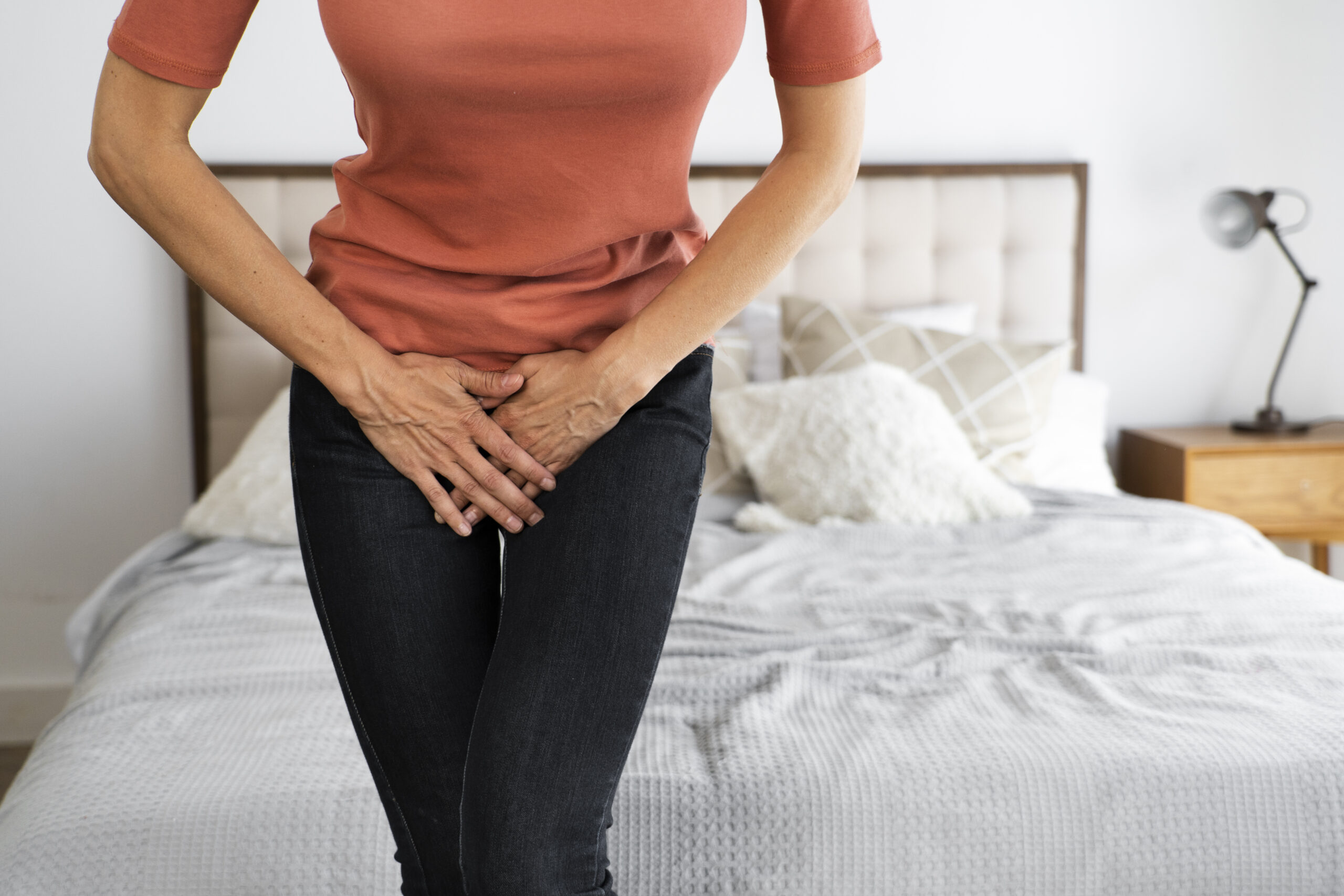
What Is Vaginal Dryness?
Vaginal dryness is a common issue that affects many women. It happens when the tissues inside the vagina become less moist than usual. Often, this can cause discomfort or pain, especially during daily activities or sex. Because vaginal dryness can affect quality of life, understanding its causes and treatments is important. Many women seek relief for vaginal dryness to feel comfortable again.
Common Symptoms
Usually, vaginal dryness comes with several signs. For example, you may notice:
Sometimes, these symptoms can be mild. However, they may also become more severe over time. If you notice any of these signs, it is important to pay attention and seek help if needed.
Causes of Vaginal Dryness
There are many reasons why vaginal dryness can happen. Most often, it is linked to changes in hormone levels. For instance, during menopause, the body makes less estrogen. This hormone helps keep the vagina moist. Other causes of vaginal dryness include:
Because these causes are common, many women experience vaginal dryness at some point in their lives. According to the World Health Organization (WHO), hormonal changes are the leading cause.
How Is Vaginal Dryness Diagnosed?
First, your doctor will ask about your symptoms and health history. Next, a gentle physical exam may be done. Sometimes, your doctor will check hormone levels with a blood test. In rare cases, other tests may be needed to rule out infections or other problems. Usually, diagnosis is simple and quick. If you are looking for vaginal dryness treatment in your area, a local gynecologist can help.
Treatment Options
Thankfully, there are many ways to find relief for vaginal dryness. Treatment for vaginal dryness depends on the cause. Some common options include:
For some women, hormone therapy may be suggested. However, this is only after careful discussion with your doctor.
Lifestyle Tips and Prevention
In addition to medical treatments, some lifestyle changes can help prevent or reduce vaginal dryness. For example:
Moreover, regular sexual activity can help keep vaginal tissues healthy. However, always use lubrication if needed to avoid discomfort.
When to See a Doctor
Sometimes, vaginal dryness does not improve with home care. If you have ongoing pain, bleeding, or discomfort, it is time to see a doctor. Also, if you notice new or severe symptoms, seek help right away. Early treatment can prevent problems and improve your comfort.
In summary, vaginal dryness is a common and treatable condition, and many women find relief through simple lifestyle changes and proper care. If symptoms persist or affect your quality of life, don’t hesitate to seek professional support. Consult Dr. SULAIMAN Moheseen for personalized advice and effective treatment options to help you regain comfort and confidence.