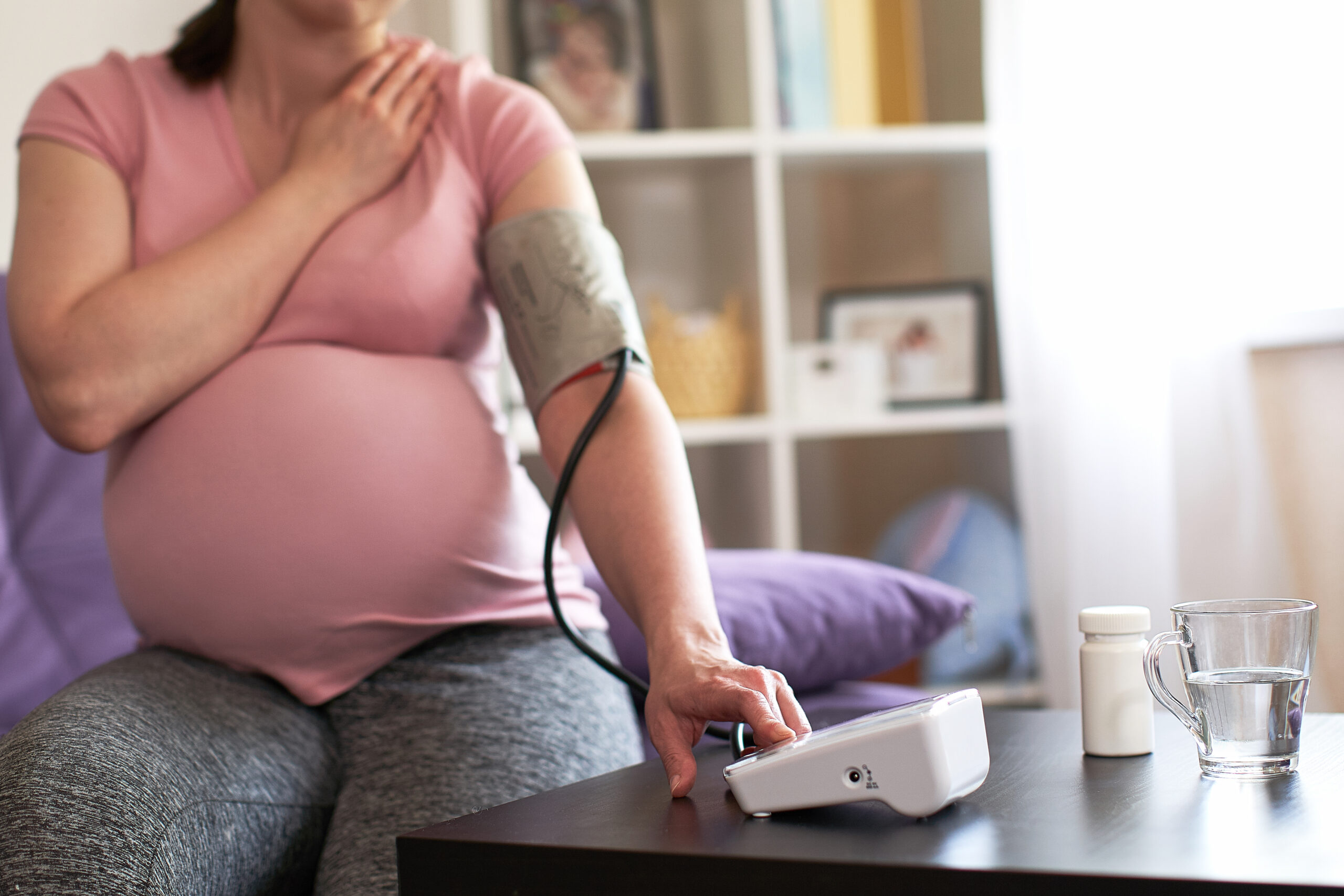
What is Hypertension in Pregnancy?
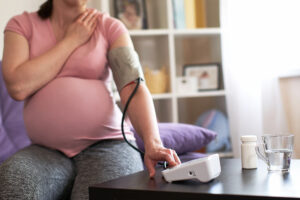
Hypertension in pregnancy means having high blood pressure while you are pregnant. This condition can affect both the mother and the baby. In fact, high blood pressure during pregnancy is a leading cause of problems for mothers and babies worldwide. According to the CDC, about 1 in 12 to 1 in 17 pregnancies in the US are affected by high blood pressure. Because of this, it is important to know the signs and how to manage it.
Common Symptoms
Often, hypertension in pregnancy does not cause clear symptoms. However, some women may notice signs. For example, you might experience:
Still, many women feel fine. Therefore, regular check-ups are very important during pregnancy.
Causes and Risk Factors
There are several reasons why a woman may develop hypertension in pregnancy. Some common causes and risk factors include:
Because some risks cannot be changed, it is important to talk with your doctor early in pregnancy.
How is Hypertension in Pregnancy Diagnosed?
Doctors check for hypertension in pregnancy by measuring your blood pressure at each visit. If your blood pressure is 140/90 mmHg or higher, you may have high blood pressure. In addition, your doctor may order urine tests to check for protein. This helps find a serious type of pregnancy hypertension called preeclampsia. Sometimes, blood tests and ultrasounds are also used to check your health and your baby’s growth.
Treatment and Management Options
Managing hypertension in pregnancy is very important. Early treatment can help prevent problems for both mother and baby. Treatment options may include:
Sometimes, if blood pressure stays high or if preeclampsia develops, early delivery may be needed. However, your doctor will discuss the best plan for you and your baby.
Lifestyle Tips and Prevention
There are steps you can take to lower your risk of hypertension in pregnancy. For example, you can:
Because prevention is not always possible, early care is key. Always follow your doctor’s advice for the best results.
When to See a Doctor
If you notice any warning signs, contact your doctor right away. These include:
Even if you feel fine, regular check-ups are important. Early detection and treatment can help keep you and your baby safe.
High blood pressure during pregnancy can pose serious risks to both mother and baby if left unmanaged. Early monitoring, proper treatment, and regular prenatal care are essential for a healthy pregnancy journey. Consult Dr. SULAIMAN Moheseen for personalized advice, expert care, and safe management of hypertension during pregnancy.