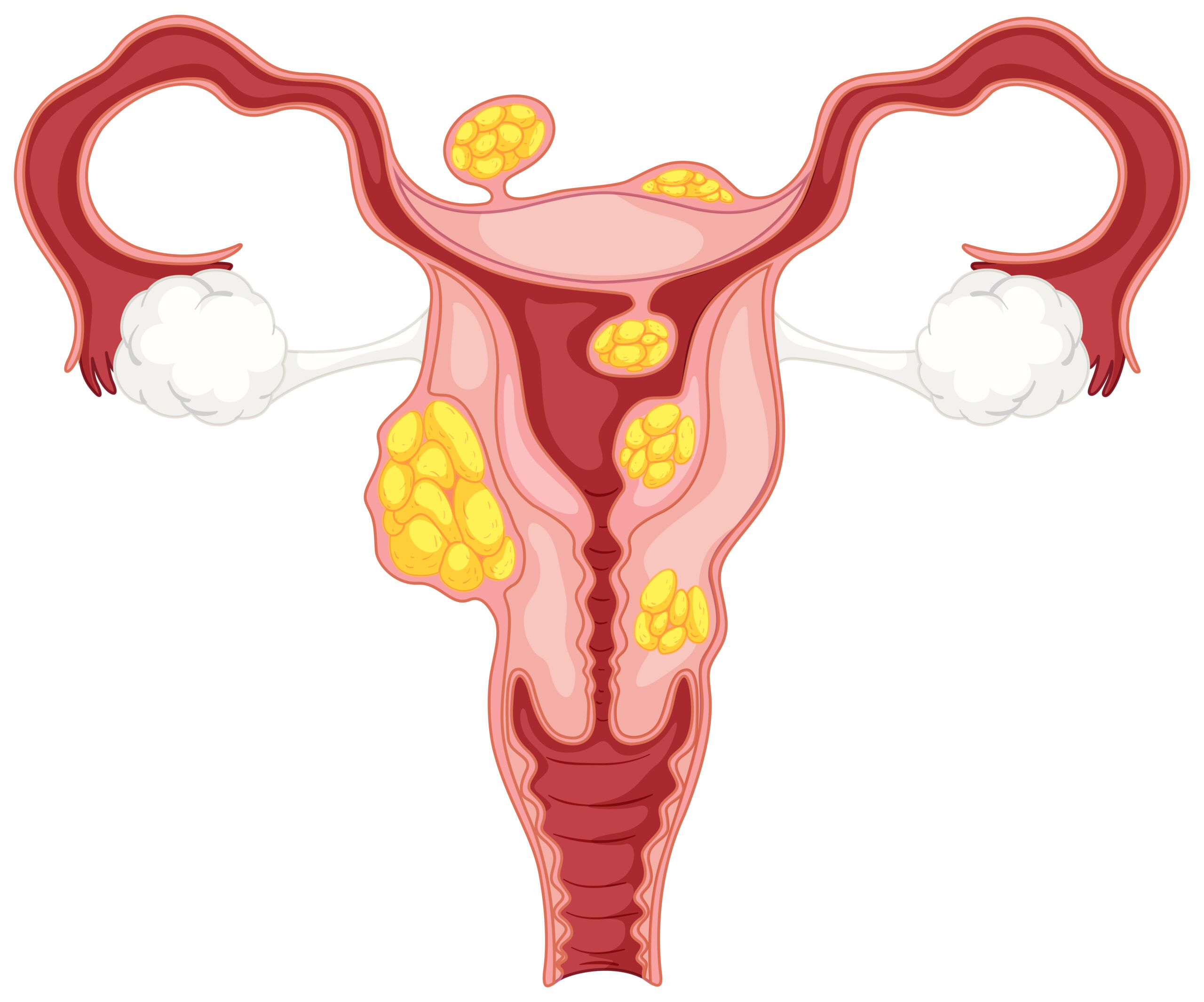
Endometriosis is a common women’s health condition. It affects millions of women worldwide. In this blog, you will learn what endometriosis is, its causes, and its symptoms. Understanding endometriosis is important because it can cause pain and affect daily life. Early diagnosis helps women manage their health better.
What is Endometriosis?
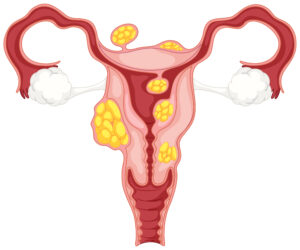
Endometriosis happens when tissue similar to the lining inside the uterus, called endometrial tissue, grows outside the uterus. Usually, this tissue is found on the ovaries, fallopian tubes, or other parts of the pelvis. However, it can sometimes spread to other areas. This misplaced tissue acts like normal endometrial tissue. It thickens, breaks down, and bleeds with each menstrual cycle. But, because it has no way to leave the body, it can cause pain and swelling. As a result, many women experience pelvic pain and other symptoms. Endometriosis can also affect fertility.
Causes of Endometriosis
Doctors are still learning about the exact causes of endometriosis in women. However, several possible reasons may explain why it happens. Understanding these causes can help women seek early care.
Symptoms of Endometriosis
Endometriosis symptoms can vary from mild to severe. Some women have many signs of endometriosis, while others have few or none. Knowing these symptoms can help you spot the condition early.
When to See a Doctor
If you notice any signs of endometriosis, it is important to talk to a doctor. For example, if you have severe pelvic pain, heavy periods, or trouble getting pregnant, do not wait. Early diagnosis can help manage symptoms and improve your quality of life. In addition, a doctor can suggest the best treatment for your needs.
Conclusion and Call-to-Action
If you’re experiencing severe period pain, heavy bleeding, or difficulty conceiving, don’t ignore the signs of endometriosis. Early diagnosis can make a significant difference in managing symptoms and protecting your reproductive health. Schedule a consultation with Dr. SULAIMAN Moheseen today for expert, personalized care and guidance toward a healthier, pain-free life.